
Behind Closed Doors at CES: TP-Link Shows a Live, Working Wi-Fi 8 Connection
January 9, 2026 – Las Vegas, NV
Behind closed doors at CES 2026, TP-Link gave select networking media something rare: a live, working Wi-Fi 8 connection.
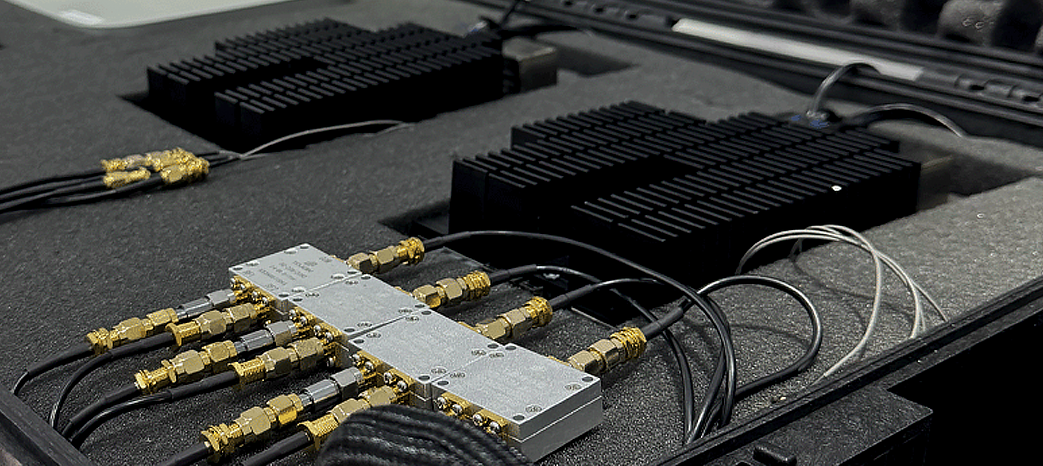
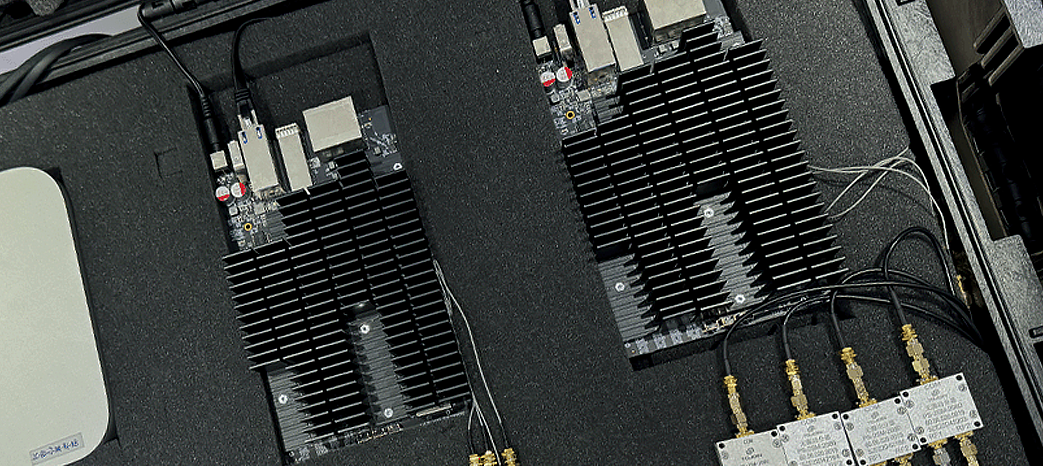
In a private room at booth #51923 in the Venetian Expo, TP-Link showcased early Wi-Fi 8 hardware running an active connection, offering a first real look at how the next generation of home networking behaves in the real world.
For everyday users, Wi-Fi 8 will deliver:
- More consistent speeds across your home: even at the edges of coverage or in rooms separated by thick walls or appliances.
- Smoother performance under interference: multiple devices can stay connected without dragging each other down.
- Lower latency for online games and video calls: fewer interruptions, even during peak usage hours.
- Improved roaming between mesh nodes: seamless transitions from room to room without signal drops or buffering.
- Stronger uplink performance for IoT and smart home devices: maintaining solid connections even in hard-to-reach spots like garages or basements.
The next era of home networking isn’t just about faster speeds, it’s about unwavering performance and reliability. At its private suite during CES 2026, TP-Link exclusively showcased early Wi-Fi 8 (802.11bn) research and development progress and a working connection that highlighted two core technologies expected to define the next generation of home networking: Unequal Modulation (UEQM) and new Modulation and Coding Schemes (MCS) — both central to the Ultra-High Reliability goal of Wi-Fi 8.
This isn’t a simulation or static display: TP-Link presented live throughput measurements, system data, and real-time behavior from a working Wi-Fi 8 access point board and client board, connected by a 4-stream link. Live presentations showed how the hardware responds under controlled interference conditions and firsthand how UEQM can maintain performance when multiple streams are degraded.
Unequal Modulation
With older generations like Wi-Fi 7, if one stream weakens, all others must reduce their performance to match it — dragging down the entire link. With UEQM in Wi-Fi 8, each spatial stream adjusts independently, so even if some are impacted by interference, others can stay at high modulation levels. That means stronger performance under mixed signal conditions.
What this means for users:
Imagine you’re streaming a 4K movie on your laptop in a room where one of the multiple data streams to your device degrades from interference— maybe from a thick wall or metal object. On older Wi-Fi, the weakest stream slows down the whole connection. With UEQM in Wi-Fi 8, the strong streams keep delivering high-quality data, so your movie keeps playing smoothly without buffering or sudden quality drops. This means more reliable performance for users even in less-than-ideal wireless conditions.
New Modulation and Coding Schemes
The setup also showcased the impact of new MCS levels, which allow performance to taper more smoothly as signal strength drops, rather than falling off sharply. This results in steadier throughput throughout the home, especially at the edges of coverage or in rooms with interference.
What this means for users: As you move farther from the router, walk into another room, or walk past walls, appliances, or other materials that weaken signal, your connection will no longer fall off a cliff. On today’s Wi‑Fi, a small change in signal can force a big drop in data rate, which shows up as buffering, stuttering, or sudden slowdowns. With Wi‑Fi 8’s new MCS levels, performance degrades more gradually, helping maintain usable speeds instead of abrupt drops.
In real life, this means streaming stays smooth when you go from the living room to the bedroom, video calls remain stable in back rooms or hallways, and uploads don’t suddenly stall in areas with interference. You get more predictable performance across your home, even in spots that used to feel unreliable.
The Promised Benefits of Wi-Fi 8 – An Era of Ultra-High Reliability
Wi-Fi 8 is being developed to deliver more than speed. Its core mission is to bring consistent performance, greater stability, and stronger reliability to the way people experience connectivity at home.
Wi-Fi 8 introduces smart upgrades to the way wireless networks handle congestion, range, and signal strength. With better decision-making built into the hardware, users can expect fewer disruptions and more dependable connections — even in homes filled with connected devices.
Accelerating Progress Towards Consumer-Ready Devices
This exclusive CES preview underscores TP-Link’s technology leadership in making Wi-Fi 8 a reality. It’s one of the first real-world Wi-Fi 8 experiences available outside the confines of a lab— showing not only throughput potential, but also real solutions to long-standing problems like inconsistent speeds, interference issues, and range-related drop-offs.
Wi-Fi 8 is being developed to deliver more than speed. It’s built for stability, coverage, and overall reliability — and TP-Link is moving fast to bring those benefits to consumers. We’re actively testing hardware, validating key features, and accelerating the path towards consumer-ready Wi-Fi 8 routers.
To learn more about the benefits of Wi-Fi 8 and the technologies enabling them, please visit https://www.tp-link.com/us/wifi8/
